Headaches are among the leading causes of missed workdays worldwide. Yet many sufferers rely solely on over-the-counter painkillers — missing the root cause entirely. A significant proportion of recurring headaches originates in the cervical spine (neck), a condition known as cervicogenic headache, and requires a more targeted approach. This guide covers 13 evidence-informed remedies and explains when specialist care is warranted.
Understanding Common Headache Types
Identifying your headache type is the first step toward effective treatment. Tension-type headaches feel like a tight band around the head and are often stress- or posture-driven. Migraines involve intense, pulsing pain with nausea and light sensitivity. Cervicogenic headaches are referred from the cervical spine and frequently misdiagnosed — learn more in our guide on common causes of neck pain. Post-traumatic headaches follow head or neck injury and require specialist monitoring.
13 Ways to Relieve a Headache
The following strategies target the most common headache triggers. Combine approaches based on your headache type for the best results.
1. Rest in a Dark, Quiet Environment
Resting in a darkened, quiet room for 30 minutes reduces sensory overload and can significantly ease migraine intensity.
2. Apply Cold Compression Therapy
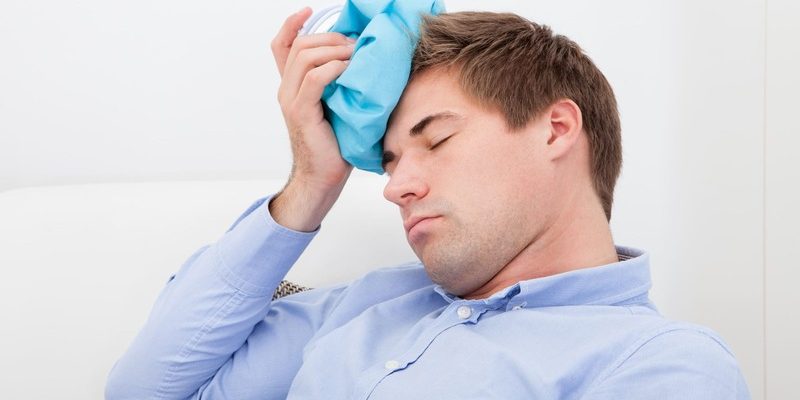
A cold pack on the forehead or base of the skull induces vasoconstriction and provides non-pharmacological pain relief, supported by a 2023 systematic review in the Journal of Clinical Nursing confirming cold intervention as effective for acute migraine relief.
3. Prioritize Hydration and Electrolyte Balance
Dehydration causes brain tissue to contract and pull on pain-sensitive structures — consistent water intake with electrolytes is one of the easiest headache triggers to eliminate.
4. Consider Magnesium Supplementation
A 2025 review in Nutrients (PMC) links magnesium deficiency to migraines; magnesium-rich foods or supplements — under medical supervision — may reduce both frequency and severity.
5. Correct “Tech Neck” with Ergonomic Adjustments
Forward head posture loads the cervical facet joints and drives cervicogenic headaches — position your monitor at eye level and support your lumbar spine to correct it. For hands-on guidance, see our post on relieving neck pain.
6. Practice Progressive Muscle Relaxation (PMR)
PMR — systematically tensing and releasing muscle groups from feet to jaw — reduces chronic tension in the upper trapezius and suboccipital regions that feed tension-type headaches.
7. Use Peppermint Oil Topically
Menthol in diluted peppermint oil relaxes muscles and reduces pain when applied to the temples, with clinical efficacy comparable to low-dose acetaminophen for tension headaches.
Note: Avoid contact with eyes and do not use it on infants/small children, as menthol can be an irritant.
8. Perform Gentle Cervical Range-of-Motion Exercises
Slowly moving your chin from shoulder to shoulder in a “U” arc maintains cervical joint mobility and prevents the segmental stiffness that triggers neck-originating headaches — a strategy backed by physiotherapy research in PM&R (2023).
9. Monitor Caffeine Intake
Habitual high caffeine intake creates dependence — any reduction triggers rebound headaches, a leading cause of chronic daily headache; taper gradually rather than stopping abruptly.
10. Apply Acupressure to the Hegu Point
Apply firm pressure to the Hegu point (LI4) — the web between your thumb and index finger — for 30 to 60 seconds per hand to interrupt acute head and facial pain signaling.
Note: Avoid if pregnant as Acupressure on LI4 (Hegu) is historically contraindicated during pregnancy as it may induce labor.
11. Switch to a Cervical Support Pillow
A contoured cervical pillow maintains neutral spinal alignment overnight, reducing suboccipital tension that commonly causes morning headaches — similar principles apply to the strategies in our guide to acute neck pain.
12. Reduce Blue Light and Follow The 20-20-20 Rule
Every 20 minutes of screen time, look at something 20 feet away for 20 seconds; paired with a blue light filter, this relieves the ciliary muscle strain behind ocular headaches.
13. Use OTC Anti-Inflammatories Judiciously
NSAIDs are effective for occasional use, but taking them more than 15 days per month can trigger medication overuse headache (MOH) — a rebound cycle documented in a 2023 review in Frontiers in Pain Research. Consult a clinician if you rely on them regularly.
When Home Remedies Are Not Enough: Interventional Pain Management
If conservative strategies have not provided meaningful relief after several weeks, a structural issue in the cervical spine may be the underlying cause. Our Interventional Pain Management and Non-Surgical Spine Care specialists use advanced diagnostics to identify and treat the source — not just the symptoms.
Common interventional options include:
- Occipital nerve blocks: Injections that interrupt pain transmission from the occipital nerves — frequently involved in cervicogenic and post-traumatic headaches, as outlined in a 2025 clinical guideline in Pain Practice.
- Trigger Point Injections: Local anesthetic is injected directly into hyperactive muscle knots in the neck and shoulder girdle that refer pain to the head.
- Facet Joint Injections: Corticosteroid injections into specific cervical facet joints to reduce inflammation at the source of referred headache pain.
Red Flags: Headache symptoms that require immediate medical attention
Per the NIH, the following presentations may indicate a serious underlying condition. Do not self-manage — seek urgent care immediately.
- “Thunderclap” headache: A sudden, severe headache reaching peak intensity within seconds — associated with subarachnoid hemorrhage; Call 911 immediately.
- Neurological changes: New numbness, motor weakness, visual disturbances, or speech difficulty alongside a headache requires urgent neurological assessment.
- Fever with neck stiffness: The triad of headache, fever, and nuchal rigidity is a classic sign of bacterial meningitis — a medical emergency.
- Post-injury headaches: Any headache following head trauma, whiplash, or concussion should be promptly evaluated by our Sports Medicine Specialists.
Don’t Let Pain Slow You Down
If you’re experiencing symptoms of chronic headaches or neck discomfort—such as throbbing, stiffness, or radiating pain—our orthopedic neck and spine specialists can help. We offer expert diagnosis and individualized treatment to restore comfort and mobility.
Call (386) 255-4596 or schedule your appointment online today.