Our hands are among the most hardworking tools we possess. From typing at a desk to gripping a steering wheel or preparing a meal, they are in constant motion. Whether you are dealing with the ache of arthritis, the tingling of carpal tunnel syndrome, or an overworked tendon, even simple tasks can quickly become grueling. The good news is that many causes of hand pain respond well to conservative, at-home care.
This guide outlines more than a dozen evidence-based strategies to soothe hand discomfort at home, plus the warning signs that indicate it is time to see a specialist, such as the hand and upper extremity surgeons at The Orthopedic Clinic.
Understanding Hand Pain
Hand pain is rarely a standalone issue — it is typically a symptom of an underlying condition or accumulated mechanical strain. Identifying the root cause helps you choose the right remedy.
- Arthritis: Both osteoarthritis (wear-and-tear degeneration) and rheumatoid arthritis (an autoimmune condition) are leading causes of joint inflammation, stiffness, and pain in the fingers and wrists. According to the Arthritis Foundation, hand osteoarthritis commonly targets the base of the thumb and the small finger joints.
- Carpal Tunnel Syndrome (CTS): CTS occurs when the median nerve is compressed passing through the carpal tunnel in the wrist, causing numbness, tingling, and burning pain — often worse at night. Per the National Institute of Neurological Disorders and Stroke (NINDS), CTS is one of the most common peripheral nerve disorders in the United States.
- Tendonitis and De Quervain’s Tenosynovitis: Inflammation of the tendons — often from repetitive gripping or pinching — causes localized pain along the thumb side of the wrist. De Quervain’s tenosynovitis specifically affects the tendons controlling thumb movement and is common among new parents and heavy smartphone users.
- Repetitive Strain Injuries (RSI): Prolonged smartphone, computer, and manual labor use can lead to non-specific strains that accumulate gradually, making early intervention and ergonomic adjustments especially important.
- Trigger Finger: Trigger finger (stenosing tenosynovitis) occurs when inflammation narrows the tendon sheath, causing a finger to catch or lock when bent. It ranges from mild stiffness to a finger stuck in a bent position.
15 Home Remedies for Hand Pain Relief
While severe injuries require professional intervention, many patients find substantial relief through these conservative, at-home strategies.
1. Rest and Activity Modification
The most fundamental remedy is rest. If your pain stems from repetitive strain — texting, typing, or assembly-line work — taking regular breaks is essential. Apply the “20-20-20” principle: every 20 minutes, pause for 20 seconds and gently stretch. Avoiding the movement that triggers pain, even temporarily, can prevent a minor strain from becoming a chronic condition.
2. Contrast Hydrotherapy (Heat and Cold Therapy)
Alternating heat and cold is a time-tested approach. Cold packs — applied for 15–20 minutes — reduce acute inflammation and numb sharp pain. Heat therapy, such as soaking in warm water, promotes circulation and relaxes stiff muscles. Begin with cold immediately after aggravating activity, then switch to heat the following day to encourage healing blood flow.
3. Night Splinting
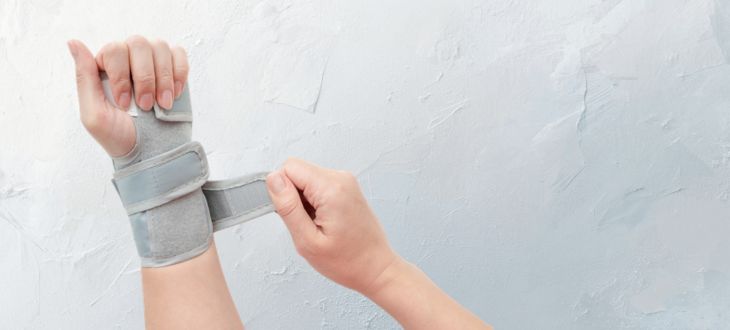
For carpal tunnel syndrome, wearing a wrist splint at night is one of the most well-supported non-surgical treatments. It holds the wrist in a neutral position, maximizing space within the carpal tunnel and preventing the nerve compression that causes nighttime tingling and pain. Splints are widely available at pharmacies and work well alongside other conservative measures.
4. Therapeutic Hand Exercises
Gentle range-of-motion and strengthening exercises can significantly prevent stiffness and improve function. Examples include slowly opening and closing the fist, finger spreads, making an “O” shape with each finger and the thumb, and gentle wrist circles. Research in the Archives of Rheumatology found structured exercise programs improved hand function and grip strength in patients with systemic inflammatory conditions. Perform these twice daily after warming the hands in warm water.
5. Paraffin Wax Baths
Paraffin wax therapy delivers deep, moist heat that penetrates joint tissues more effectively than a heating pad. The hands are dipped several times to build up a warm wax coating, left on for 15–20 minutes. Particularly effective for the deep ache of arthritis, it also softens stiff joint tissues before exercise. Home units are available at most pharmacies.
6. Topical NSAIDs
NSAID gels and creams, such as diclofenac, deliver targeted relief by reducing localized pain and inflammation with fewer systemic side effects than oral medications — a good option for older adults or those with gastrointestinal sensitivities.
7. Magnesium Soaks (Epsom Salt Baths)
Soaking the hands in a warm Epsom salt bath (magnesium sulfate) is a widely used home remedy. Magnesium absorbed through the skin may relax tense muscles and reduce nerve excitability associated with cramping. Dissolve one to two cups in a basin of warm water and soak for 15–20 minutes.
8. Elevation
If hand pain is accompanied by swelling — common after injury or during an inflammatory flare — elevating the hand above heart level helps fluid drain away from affected tissues, reducing pressure and discomfort. Prop your arm on a pillow while resting. Combining elevation with cold therapy in the first 24–48 hours after injury is especially effective.
9. Gentle Self-Massage
Massaging the palm, the base of the thumb (the “thenar eminence”), and the forearm breaks up muscular tension and improves local circulation. Use the opposite thumb to apply gentle circular pressure for two to three minutes. Forearm massage also releases tension transmitted to the wrist tendons — helpful for those who spend long hours at a keyboard or gripping tools.
10. Compression Gloves
Compression or “arthritis” gloves apply gentle, even pressure to the small joints of the hand, reducing swelling and providing warmth and joint stability. Many patients with rheumatoid arthritis report that wearing compression gloves in the morning — when stiffness is typically worst — helps them regain function more quickly.
11. Arnica Montana
Arnica is a plant-derived topical treatment studied as a complementary option for pain management. A review in Medicines (MDPI) found topical Arnica may reduce pain and bruising following minor musculoskeletal strain. Available as a gel or cream at most pharmacies, it can be a reasonable adjunct for mild hand soreness after overuse or minor injury.
12. Ergonomic Adjustments
Preventing pain from recurring is just as important as treating it. An ergonomic keyboard, vertical or trackball mouse, or padded wrist rest can significantly reduce mechanical stress on the hands and wrists. For tradespeople, musicians, and healthcare workers, ergonomic tool handles and anti-vibration gloves help too.
13. Omega-3 Fatty Acids
Omega-3 fatty acids — found in fatty fish, walnuts, chia seeds, and flaxseed oil — support systemic anti-inflammatory processes over time. Consistent omega-3 intake has been associated with reduced joint stiffness and tenderness in inflammatory arthritis. Fish oil supplements are widely available; check with your physician regarding appropriate dosage, especially if you take blood-thinning medications.
14. Acupuncture and Pressure Point Therapy
Acupuncture has gained increasing recognition as a complementary therapy for musculoskeletal pain. Evidence suggests it may reduce pain perception and improve motor function by modulating the nervous system and reducing local inflammation. If you are interested, seek a licensed acupuncturist experienced in hand and upper extremity conditions, and discuss it with your physician first.
15. Hot and Cold Contrast Baths
Contrast baths involve alternating immersion of the hands in warm water (100–105°F) for three to four minutes, then cool water (65–70°F) for one minute, repeated three to five times. This thermal cycling acts as a “vascular pump,” alternately dilating and constricting blood vessels to reduce edema and boost circulation. Widely used in occupational therapy, it can be easily replicated at home with two basins.
When to See an Orthopedic Specialist
Home remedies are effective for mild to moderate discomfort, but certain symptoms signal that it is time to seek professional evaluation. Delaying care can allow conditions to progress, potentially causing permanent damage. Contact a physician — or visit the hand and upper extremity specialists at The Orthopedic Clinic — if you experience any of the following:
- Persistent numbness or tingling: A sensation that does not resolve, especially at night, may indicate nerve compression.
- Muscle wasting: Visible thinning of the muscles at the base of the thumb (thenar atrophy) is a sign of advanced CTS and warrants prompt evaluation.
- Loss of grip strength or coordination: Difficulty gripping objects, frequent dropping of items, or trouble with fine motor tasks.
- Pain that wakes you at night: Nighttime pain unresponsive to splinting or positional changes often requires medical management.
- Signs of infection: Increasing redness, warmth, swelling, or fever require immediate medical attention.
- No improvement after 4–6 weeks: A professional evaluation is warranted if consistent home care has not produced meaningful relief.
Advanced Hand and Upper Extremity Care at The Orthopedic Clinic
At The Orthopedic Clinic, our fellowship-trained Hand and Upper Extremity Surgeons specialize in the full spectrum of hand conditions — from minimally invasive carpal tunnel release and trigger finger treatment to microvascular repair and complex joint reconstruction.
Whether your situation calls for a cortisone injection, custom splinting, or surgery, our specialists focus on restoring your hand function.
Schedule your appointment online or call us at (386) 255-4596.