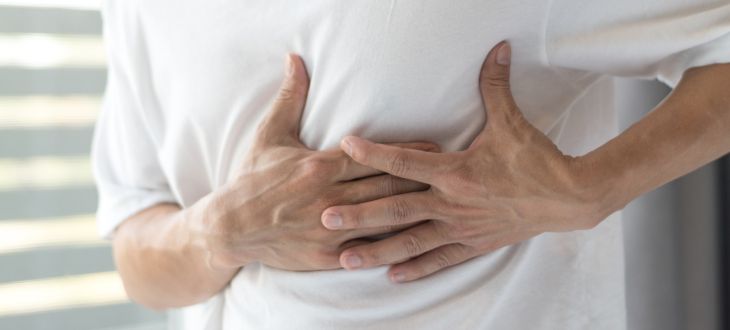
Rib pain has a way of making itself known with every breath, cough, sneeze, or turn of the torso. Because the rib cage is constantly in motion, even mild discomfort in this area can interfere with sleep, daily activity, and exercise. The reassuring news is that many common causes of rib pain are musculoskeletal in nature and respond well to conservative home care.
Below, we break down the most common causes and symptoms of rib pain, walk through the most effective home remedies for rib pain, and explain when it is time to see an orthopedic specialist for a proper evaluation.
Understanding Rib Pain
Rib pain can originate from the bones, cartilage, muscles, or nerves of the chest wall. According to MedlinePlus, rib pain can result from injury, inflammation, infection, or referred pain from nearby organs. The most common musculoskeletal causes include:
- Rib fractures: A break or crack in one or more ribs, most often from a direct impact, fall, or motor vehicle accident. Pain is typically immediate and sharp, worsening with breathing. Learn more about recognizing the signs in our guide on how to tell if you have a broken rib.
- Intercostal muscle strain: Overstretching or tearing of the muscles that run between the ribs, often from twisting, lifting, vigorous coughing, or repetitive upper-body activity.
- Costochondritis: Inflammation of the cartilage that connects the ribs to the breastbone (sternum). It produces chest wall tenderness and pain that can mimic cardiac symptoms, particularly with deep breathing or movement.
- Bruised ribs: Typically the result of blunt trauma to the chest, bruised ribs cause localized tenderness and aching without a complete fracture.
- Muscle spasms: Sustained involuntary contractions in the chest wall or intercostal muscles that create sharp, cramping discomfort.
- Pleurisy: Inflammation of the lining surrounding the lungs, which can cause stabbing pain along the rib cage that worsens with inhalation.
- Referred pain: Conditions affecting the spine, kidneys, or gallbladder can radiate pain to the rib area, which is why a proper diagnosis matters.
Regardless of the underlying cause, most rib pain shares similar symptoms:
- Sharp or aching pain along the side, front, or back of the chest
- Pain that worsens with deep breathing, coughing, sneezing, or laughing
- Tenderness when pressing on the affected area
- Pain with twisting, bending, or reaching
- Difficulty sleeping comfortably
- Tightness or a sensation of pressure in the chest
Any rib pain accompanied by shortness of breath, chest tightness, dizziness, or fever should be treated as a medical emergency and evaluated immediately. These symptoms can indicate conditions that go well beyond musculoskeletal causes.
8 Home Remedies for Rib Pain Relief
The following home remedies for rib pain are appropriate for mild to moderate musculoskeletal causes such as intercostal muscle strain, costochondritis, bruised ribs, and minor fractures already evaluated by a physician. Always get a diagnosis before self-treating rib pain, especially after trauma.
1. Rest and Activity Modification
Rest is the cornerstone of rib pain recovery. Avoid any activity that aggravates your symptoms — including heavy lifting, overhead reaching, vigorous exercise, and repetitive twisting. However, complete bed rest is not recommended, as prolonged inactivity can stiffen the chest wall and increase the risk of breathing complications. Light walking and gentle movement are appropriate, but stop immediately if pain worsens. Modify daily tasks as needed and give your body adequate time to heal.
2. Ice Therapy
Cold therapy is most effective in the first 48 to 72 hours after an acute rib injury or inflammation flare. Wrap an ice pack in a thin cloth and apply it to the painful area for 15 to 20 minutes at a time, several times per day. Ice reduces swelling, limits local inflammation, and numbs acute pain. It is particularly helpful for bruised ribs, intercostal muscle strain, and the early stages of costochondritis.
3. Heat Therapy
Once the initial acute phase has passed — typically after 72 hours — warmth often provides better relief than ice for lingering rib soreness. A heating pad on a low setting, a warm compress, or a warm shower applied to the affected area for 15 minutes at a time can relax tight intercostal muscles, improve circulation, and ease the dull aching that tends to persist during recovery. Heat is especially beneficial for muscle spasms and chronic costochondritis. Mayo Clinic recommends alternating heat and ice based on which provides more relief for your individual symptoms.
4. Over-the-Counter Pain Relievers
NSAIDs such as ibuprofen or naproxen sodium are the most useful over-the-counter option for rib pain because they address both pain and inflammation simultaneously. Acetaminophen is an alternative for pain relief if NSAIDs are contraindicated. Topical analgesic creams or patches — including those containing lidocaine or diclofenac — can also be applied directly to the chest wall for targeted, localized relief. A 2024 update to StatPearls on costochondritis (NIH) confirms that topical and oral anti-inflammatory medications are the standard first-line approach for costal cartilage inflammation.
5. Pillow Splinting
Splinting is a simple and highly effective technique for managing rib pain during activities that normally worsen it — particularly coughing, sneezing, and deep breathing exercises. Press a folded pillow firmly against the affected side of the chest wall to stabilize the rib cage during deep breathing exercises. The external pressure limits the amount of chest wall expansion, reducing the sharp spike in pain. This technique is especially helpful for rib fractures and post-injury recovery and allows you to complete necessary respiratory movements without bracing against them.
6. Controlled Deep Breathing Exercises
It may feel counterintuitive to breathe deeply when your ribs hurt, but shallow breathing during rib injury recovery can lead to reduced lung expansion, mucus buildup, and in some cases, pneumonia. Practicing slow, controlled deep breaths helps keep the lungs clear and maintains flexibility in the chest wall muscles. Sit upright, press a pillow gently against the sore area, inhale slowly through your nose as deeply as you can tolerate, hold for two seconds, and exhale through your mouth. Repeat 10 times every few hours. This practice is especially important for rib fractures, where limiting lung expansion carries real health risks.
7. Posture Correction and Sleep Positioning
Poor posture rounds the shoulders forward and compresses the rib cage, increasing pressure on already irritated cartilage and muscles. Consciously sitting upright with your shoulders back and your chest open reduces strain on the front chest wall — a particularly important adjustment for those managing costochondritis. At night, sleeping on your back with a pillow under your knees, or on your uninjured side with a pillow between your knees, keeps the rib cage in a neutral position and minimizes the rolling or twisting that triggers pain spikes. Avoid sleeping on the injured side or in a heavily curled position.
8. Gentle Stretching
Once acute pain begins to subside, gentle chest-opening and thoracic mobility stretches can help restore range of motion and prevent the surrounding muscles from tightening up. A simple scapular squeeze — sitting upright, bending both elbows, and slowly pulling your shoulder blades together while opening the chest — can reduce the forward rounding that strains the costochondral joints. Hold for three to five seconds and repeat 10 to 15 times. Avoid any stretch that produces sharp or worsening pain, and consult a physical therapist if you are unsure which movements are safe for your specific injury. Our article on how to relieve sore muscles covers additional recovery strategies that complement rib pain care.
When to See an Orthopedic Specialist
Home remedies for rib pain work well for mild to moderate musculoskeletal conditions, but some injuries and underlying causes require imaging, prescription treatment, or specialist intervention. Seek immediate emergency care or schedule an evaluation with an orthopedic specialist if you experience any of the following:
- Severe rib pain after a fall, accident, or direct blow to the chest
- Pain accompanied by shortness of breath, chest tightness, or dizziness
- Fever, chills, or coughing up blood
- Visible deformity or paradoxical chest wall movement (a segment moving opposite to the rest of the chest during breathing) — possible signs of a serious condition like flail chest
- Rib pain that has not improved after two to three weeks of consistent home care
- Pain that is steadily worsening rather than improving
- Numbness, tingling, or radiating pain into the back or abdomen
At The Orthopedic Clinic, our orthopedic specialists are experienced in diagnosing and treating the full range of chest wall and rib injuries. If your pain is not responding to home care or you are unsure what is causing it, schedule an appointment with our team for a thorough evaluation and a personalized treatment plan.
Breathe Easier Starting Today
Rib pain is disruptive, but with the right approach, most musculoskeletal cases improve meaningfully within a few weeks. Apply these home remedies for rib pain consistently, protect your chest wall during recovery, and reach out to a specialist any time your symptoms raise concern. You do not have to push through pain alone — the right care makes all the difference.
Visit our TOC Walk-In Clinic for same-day care, or schedule an appointment with one of our specialists for a comprehensive evaluation and treatment plan.