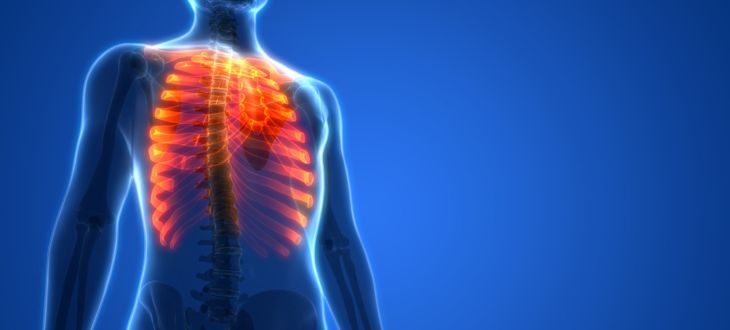
Your rib cage protects your heart, lungs, and other vital organs, but that same structure can also be a source of surprisingly persistent pain. Whether it’s a sharp jab when you take a deep breath or a dull ache that lingers for weeks, rib pain has a wide range of causes. This guide breaks down why your ribs hurt, the most common causes, and when it’s time to see an orthopedic specialist.
What Is Rib Pain?
Rib pain refers to any discomfort felt along the rib cage, the curved bones and cartilage that wrap from your spine to your breastbone. It can range from a mild ache to sharp, stabbing pain and may come from the bones themselves, the cartilage connecting them, the surrounding muscles, or nearby nerves.
Common Symptoms of Rib Pain
- Sharp or aching pain that worsens with movement
- Tenderness when the area is pressed
- Pain that intensifies with deep breathing or coughing
- Stiffness or a feeling of tightness around the chest wall
- Pain that radiates to the back or abdomen
- Bruising or swelling after an injury
Why Do My Ribs Hurt in Certain Situations?
When I breathe or cough: Breathing and coughing expand the rib cage, which can aggravate inflamed cartilage (costochondritis), strained intercostal muscles, or a rib fracture. According to MedlinePlus, a service of the National Library of Medicine, pain from costochondritis often increases with deep breathing or coughing and eases when you breathe quietly.
- When touched: Tenderness to the touch is a hallmark of costochondritis and rib fractures, since both involve inflammation or injury at the site where ribs meet cartilage or bone.
- When I wake up: Sleeping in an awkward position or on one side for extended periods can strain the intercostal muscles or irritate rib joints, leading to stiffness and pain that’s most noticeable first thing in the morning.
- After working out: Repetitive twisting, heavy lifting, or overhead movements can strain the intercostal muscles or aggravate the costochondral joints, especially in sports like golf, rowing, or weightlifting.
- On the left side or right side: Rib pain can occur on either side depending on the cause. Musculoskeletal causes like muscle strain, costochondritis, or a fracture can affect either side equally, though costochondritis most commonly affects the left side of the chest.
14 Causes of Rib Pain
1. Costochondritis
Inflammation of the cartilage connecting the ribs to the breastbone, often causing sharp pain that worsens with movement or deep breathing.
2. Rib Fracture
A break in one or more ribs, usually from direct trauma like a fall, car accident, or sports injury. A patient education review published on PMC, a database maintained by the National Center for Biotechnology Information, notes that rib fracture pain is typically worse with movement, coughing, and deep breathing, and can range from mild discomfort to injuries severe enough to require hospital admission.
3. Rib Contusion (Bruised Rib)
A bruise to the rib bone or surrounding tissue from direct impact, without an actual fracture, can still cause significant pain and tenderness.
4. Intercostal Muscle Strain
Overstretching or tearing the muscles between the ribs, often from twisting, heavy lifting, or a forceful cough.
5. Slipping Rib Syndrome
A condition where the cartilage connecting the lower ribs becomes loose or hypermobile, allowing the rib to slip and pinch nearby nerves or tissue.
6. Rib Stress Fracture
A small crack in a rib from repetitive stress rather than a single traumatic event, common in rowers and athletes with repetitive twisting motions. Learn more about stress fractures.
7. Osteoporosis-Related Fracture
Weakened bone density can make ribs more prone to fracture from minor trauma or even forceful coughing.
8. Poor Posture
Prolonged slouching or hunching can place uneven stress on the rib joints and surrounding muscles, leading to chronic discomfort.
9. Referred Pain from the Spine
Dysfunction in the thoracic spine or the joints where ribs attach to the vertebrae can cause pain that radiates around the rib cage.
10. Pleurisy
Inflammation of the lining around the lungs, which can cause sharp chest and rib pain that worsens with breathing. This condition requires prompt medical evaluation.
11. Costochondral Overuse Injury
Repetitive strain from sports, heavy lifting, or intense workouts can inflame the costochondral joints over time, even without a single injury event.
12. Shingles (Herpes Zoster)
A viral infection that can cause burning, band-like pain along one side of the rib cage, often before a rash appears.
13. Rib Tumors
Rare, but benign or malignant growths on the rib bone can cause persistent, localized pain that doesn’t improve with rest.
14. Costochondritis from Viral Infection
In some cases, a respiratory virus or upper respiratory infection can trigger inflammation of the costochondral joints, leading to temporary rib pain.
A 2024 clinical overview from StatPearls, published by the National Center for Biotechnology Information, notes that costochondritis can closely mimic more serious conditions like a heart attack or pneumonia, which is why a thorough evaluation is important before assuming the cause is musculoskeletal.
When to See an Orthopedic Specialist
Most rib pain from muscle strain or mild costochondritis improves with rest and conservative care. However, you should see a specialist, or seek emergency care, if you experience:
- Pain following a fall, accident, or direct blow to the chest
- Severe pain that doesn’t improve after a few days
- Visible deformity, swelling, or bruising
- Difficulty breathing or shortness of breath
- Pain accompanied by fever, chills, or a persistent cough
- Chest pain that also involves pressure, sweating, or radiates to the arm or jaw (seek emergency care immediately, as this can indicate a heart-related emergency)
Specialist Spotlight: Rib and Chest Wall Care
At The Orthopedic Clinic, our team provides expert evaluation and treatment for rib injuries and chest wall pain, including:
- Fracture Care: Comprehensive treatment for rib fractures, from conservative management to advanced care for complex injuries.
- Interventional Pain Management: Targeted treatment options for persistent rib and chest wall pain that doesn’t resolve with rest.
- Sports Medicine: Specialized care for athletes dealing with rib stress fractures or overuse injuries.
If rib pain is persistent, severe, or following an injury, don’t wait to get it checked out.
Schedule your appointment online or call us at (386) 255-4596.