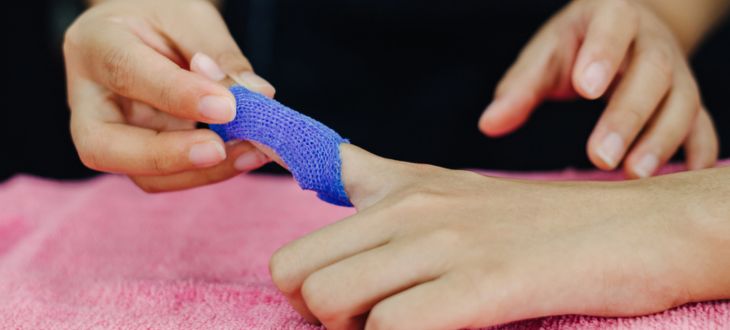
Finger pain can range from a dull, nagging ache to a sharp jolt that stops you mid-task, and the right finger pain treatment depends entirely on what’s causing it. A jammed finger from a pickup basketball game calls for a very different approach than the joint pain of arthritis or the catching sensation of trigger finger. Because fingers rely on a tightly packed network of small bones, tendons, and ligaments, even a minor injury can affect movement more than you’d expect. Below, we cover the most common causes of finger pain, walk through effective treatment options (including several you can try at home), and explain when it’s time to bring in an orthopedic specialist.
Common Causes of Finger Pain
Finger pain can come from an acute injury or a condition that builds gradually over time. Frequent culprits include:
- Jammed or sprained fingers — caused by a direct impact or awkward bend that stretches or tears the ligaments in a finger joint.
- Trigger finger — inflammation of the tendon sheath that causes a finger to catch, lock, or snap when bending.
- Osteoarthritis — wear-and-tear breakdown of cartilage that often targets the finger joints and base of the thumb. Hand osteoarthritis tends to run in families and is more common in women, often developing after menopause.
- Mallet finger — a tendon injury at the fingertip, usually from a ball or object striking an extended finger, that leaves it unable to straighten.
- Fractures — broken bones from falls, sports, or crush injuries, which can be easy to mistake for a simple sprain.
- Nerve compression — conditions like carpal tunnel syndrome can cause numbness and pain that radiates into the fingers even though the wrist is the real source.
Finger Pain Treatment Options
At-Home Treatment
Many mild cases of finger pain respond well to simple home care, especially in the first 24 to 48 hours after an injury:
- Rest and activity modification. Avoid using the injured finger for gripping or repetitive tasks until swelling and pain settle down.
- Ice. Applying ice for 15 to 20 minutes at a time helps control swelling and numbs pain after an acute injury.
- Buddy taping. Taping an injured finger to the healthy finger beside it provides support and stability while it heals.
- Splinting. A simple splint keeps the finger straight or immobilized, which is especially important for injuries like mallet finger. The National Library of Medicine notes that a splint should extend beyond the injured joint to prevent movement during healing.
- Over-the-counter pain relievers. NSAIDs like ibuprofen can reduce pain and inflammation for mild sprains, arthritis flares, or overuse injuries.
- Compression gloves. For arthritis-related finger pain, lightweight compression gloves can ease stiffness and swelling throughout the day.
For more at-home strategies, our guide to home remedies for hand pain covers additional tips you can start using today.
Professional Treatment
When home care isn’t enough, an orthopedic specialist has several effective options:
- Corticosteroid injections. Often the first-line treatment for trigger finger injections reduce inflammation around the tendon sheath. A 2025 study on corticosteroid injections for trigger finger and de Quervain’s tenosynovitis found that many patients achieve meaningful improvement without needing surgery, particularly when treated early.
- Hand therapy. A certified hand therapist can guide targeted stretching and strengthening exercises to restore motion and reduce stiffness.
- Custom splinting or bracing. Specialists can fit finger-specific splints designed for conditions like trigger finger or thumb arthritis at the carpometacarpal (CMC) joint.
- Surgery. For fractures that aren’t properly aligned, tendon ruptures, or conditions that don’t respond to conservative care, minimally invasive surgical procedures can restore function and relieve pain.
When to See an Orthopedic Specialist
While many minor finger injuries improve with rest and home care, certain signs mean it’s time for a professional evaluation:
- Pain, swelling, or stiffness that doesn’t improve after a few days of home treatment
- A finger that’s visibly deformed, bent, or unable to fully straighten
- Numbness, tingling, or a locked joint
- A popping sensation at the time of injury, followed by weakness
- Pain following a direct blow, fall, or crushing injury
At The Orthopedic Clinic, our board-certified, fellowship-trained hand and upper extremity surgeons diagnose and treat the full range of finger conditions, from sprains and trigger finger to arthritis and complex fractures. They typically start with the least invasive option that makes sense for your injury and move toward surgery only when it offers the clearest path to lasting relief.
Explore more on our Hand and Finger blog, or visit our physicians page to schedule a consultation with the right specialist for your care.
Get Lasting Relief From Finger Pain
Finger pain that lingers, worsens, or limits your daily activities deserves an accurate diagnosis rather than guesswork. Whether you need a simple splint or a more advanced treatment plan, getting evaluated early gives you the best chance at a full recovery.
Visit our TOC Walk-In Clinic for same-day care, or schedule an appointment with one of our specialists for a comprehensive evaluation and treatment plan.