Whether you are an avid runner or someone who spends the day on their feet, toe pain can be a literal stumbling block to your daily routine. While often dismissed as a minor nuisance, pain in the toes can signal everything from simple overuse to complex structural issues within the foot.
At The Orthopedic Clinic, our Foot and Ankle Specialists are dedicated to diagnosing and treating the underlying causes of foot discomfort. While we always advocate for professional evaluation for persistent issues, many mild cases can be managed at home.
Below, we explore 12 effective home remedies for toe pain, the science behind them, and when it is time to consult an orthopedic specialist.
Understanding Common Causes of Toe Pain
Toe pain rarely occurs in a vacuum. Common culprits include:
- Bunions (Hallux Valgus): A bony bump that forms on the joint at the base of the big toe.
- Hammer Toe: An abnormal bend in the middle joint of a toe.
- Gout: A form of inflammatory arthritis caused by uric acid crystals.
- Ingrown Toenails: When the side of a toenail grows into the soft flesh.
- Onychomycosis: A common fungal infection that can cause thickening and discomfort in the nail bed (StatPearls – NCBI).
12 Home Remedies for Toe Pain
1. The R.I.C.E. Method
Rest, Ice, Compression, and Elevation (RICE) remains the gold standard for acute injuries. Applying cold therapy is particularly effective at reducing inflammation; research suggests that applying ice at bedtime may be more effective for pain reduction and decreasing tissue thickness than morning applications.
2. Proper Footwear Selection
The shoes you wear are your first line of defense. Orthopedic experts recommend lightweight, comfortable footwear with minimal pronation control technology unless specifically prescribed. Ensure your toe box is wide enough to prevent crowding.
3. Warm Salt Soaks
For pain caused by ingrown nails or minor infections, a warm soak with Epsom salts can soften the skin and reduce swelling. This helps the nail grow out correctly and provides temporary relief from throbbing.
4. Toe Stretching and Foot Gymnastics
Specific exercises can improve range of motion and decrease passive stiffness in the toe and ankle joints. A 2024 randomized controlled trial published in Scientific Reports found that consistent foot exercise routines significantly improved both local range of motion and overall foot posture. Effective exercises include toe lifts and spreads, picking up small objects like marbles with your toes, and walking on your heels and then your toes.
5. Toe Spacers or Gel Pads
If your pain is caused by bunions or overlapping toes, silicone spacers can help realign the joints temporarily and reduce friction against your shoes.
6. Buddy Taping
For a suspected stubbed toe or minor fracture, taping the injured toe to the adjacent healthy toe provides stability and limits painful movement during healing. Place a small piece of foam or cotton between the toes to prevent skin irritation and moisture buildup.
7. Topical Antifungals and Debridement
If your toe pain is linked to nail thickness from fungus, over-the-counter topical agents and periodic debridement (careful trimming) can help manage pressure on the nail bed (StatPearls – Onychomycosis).
8. Over-the-Counter NSAIDs
Non-steroidal anti-inflammatory drugs like ibuprofen can manage the proinflammatory cascade often associated with foot injuries and chronic conditions like gout.
9. Night Splints
For conditions like plantar fasciitis that radiate pain toward the toes, wearing a night splint keeps the foot in a neutral dorsiflexed position overnight. This prevents the plantar fascia from tightening during sleep, reducing the sharp “first-step” pain many patients experience in the morning.
10. Dynamic Taping
Emerging research indicates that dynamic taping — using specialized elastic tape — combined with resistance training can significantly alleviate pain and improve well-being in patients with chronic foot discomfort.
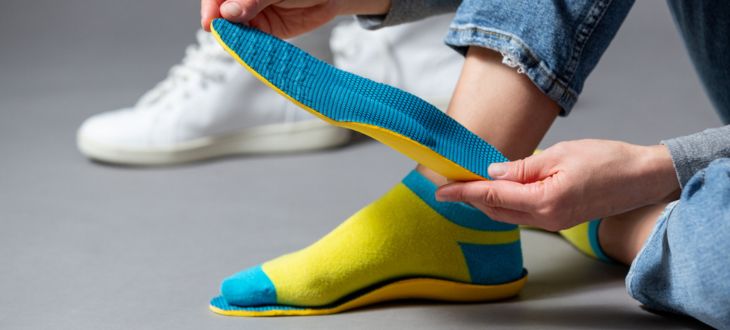
11. Arch Supports and Orthotics
Custom or high-quality over-the-counter orthotics can redistribute weight away from painful toe joints. Modern orthotics are increasingly being developed using 3D additive manufacturing for more precise biomechanical restoration.
12. Hydration and Diet Management
If your toe pain is a result of gout, staying hydrated and avoiding high-purine foods like red meat and shellfish can prevent the crystallization of uric acid in the toe joints.
When to See an Orthopedic Specialist
While home remedies work well for minor flare-ups, certain red flag symptoms require prompt professional evaluation. Seek care from our Foot and Ankle team at The Orthopedic Clinic if you experience:
- Inability to Bear Weight: If you cannot walk or your gait becomes antalgic (a limp to avoid pain).
- Neurological Symptoms: Numbness, burning, or tingling, which may indicate peripheral neuropathy.
- Visible Deformity: Any sudden change in the shape or alignment of the toes.
- Signs of Infection: Persistent redness, warmth, or fever.
- Diabetes-Related Pain: Patients with diabetes are at higher risk for diabetic foot ulcers and require specialized monitoring.
Our team at The Orthopedic Clinic specializes in advanced Musculoskeletal Care and Foot and Ankle Surgery. Whether you need conservative management or a surgical consultation, our specialists utilize the latest orthopedic technologies to get you back on your feet.
Schedule your appointment online or call us at (386) 255-4596.