Toe pain can make even the most basic activities — walking to the car, climbing stairs, or standing at the kitchen counter — feel like a challenge. Whether your discomfort is from an old injury, ill-fitting shoes, or a chronic condition, the good news is that many cases of toe pain respond well to at-home care before any medical intervention is needed.
This guide covers the most common causes and symptoms of toe pain, 15 practical ways to find toe pain relief, and the signs that it is time to see an orthopedic foot and ankle specialist.
Common Causes of Toe Pain
Toe pain can stem from a wide range of conditions. The most frequently seen include gout, bunions, ingrown toenails, hammer toe, Morton’s neuroma, turf toe, toe fractures, hallux rigidus (big toe arthritis), and sesamoiditis. For a deeper breakdown of each, see our guide to common toe pain causes.
Toe Pain Symptoms
According to MedlinePlus, toe pain can result from injuries, deformities, infections, and underlying medical conditions. Common symptoms across most causes include:
- Localized swelling, redness, or warmth around a toe or joint
- Stiffness that is worse in the morning or after rest
- Burning, tingling, or numbness
- Pain that increases with walking, standing, or shoe pressure
- Visible bump, deformity, or nail growing into the skin
- Throbbing pain at night
The pattern of your symptoms — where the pain is, when it started, and what makes it better or worse — is often the first clue in identifying the right approach to relief.
15 Ways to Relieve Toe Pain
1. Rest and Reduce Activity
The simplest and most immediate step is to take weight off the affected foot. Continuing to walk through sharp or worsening toe pain can aggravate inflammation and delay healing. Rest for 24 to 48 hours after onset, avoid high-impact activities, and let the joint settle before gradually resuming normal movement.
2. Apply Ice
Cold therapy is one of the most effective tools for acute toe pain, particularly in the first 48 to 72 hours after an injury or flare-up. Wrap an ice pack or a bag of frozen peas in a thin cloth and apply it to the painful toe for 15 to 20 minutes at a time, several times a day. Ice reduces swelling and numbs the area, providing quick short-term relief.
3. Elevate Your Foot
Keeping the foot raised above heart level helps reduce swelling by limiting fluid accumulation in the toe. Prop your foot on a pillow when lying down or resting, especially in the first day or two after an acute flare. Elevation works best when combined with rest and ice.
4. Switch to Shoes with a Wide Toe Box
Tight or narrow footwear is one of the leading contributors to toe pain, especially for conditions like bunions, hammer toe, Morton’s neuroma, and ingrown toenails. Switching to shoes with a wide, rounded toe box immediately reduces pressure on the toes. Look for styles with a firm sole, adequate arch support, and enough depth to accommodate swelling. Avoid high heels and pointed-toe styles entirely during a flare.
5. Try Toe Spacers or Separators
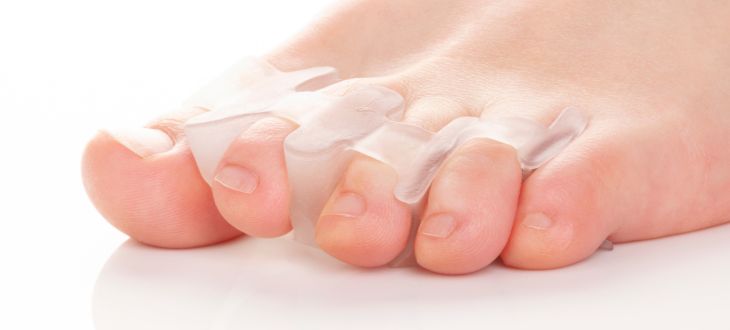
Toe spacers are soft silicone or foam devices that fit between the toes to improve alignment and relieve pressure at the joints. They are particularly helpful for bunions and overlapping toes. A 2024 systematic review published in the Journal of Clinical Medicine found that toe separators can be a useful therapeutic tool in physical therapy for reducing toe-related discomfort. They are available over the counter and can be worn inside shoes during daily activity.
6. Use Orthotic Insoles
Over-the-counter or custom orthotic insoles redistribute pressure away from painful areas of the foot, improve alignment, and cushion the forefoot during walking. They are beneficial for a range of toe pain causes including sesamoiditis, metatarsalgia, hallux rigidus, and Morton’s neuroma. If over-the-counter insoles are not providing enough relief, a foot and ankle specialist can fit you with custom-molded orthotics designed specifically for your foot structure and condition.
7. Buddy Tape the Toe
Buddy taping involves gently securing an injured toe to the toe next to it using medical tape, with a small piece of gauze or foam padding in between to prevent skin irritation. This technique provides lightweight support and limits painful movement, and is commonly used for minor toe fractures and sprains. Make sure the tape is snug but not so tight that it restricts circulation.
8. Soak in Warm Water or Epsom Salt
A warm foot soak softens the skin around ingrown toenails and reduces stiffness in arthritic joints. Adding one to two cups of Epsom salt to a warm basin can further ease muscle tension and inflammation. Soak the affected foot for 15 to 20 minutes at a time. This remedy is especially useful for gout between flare-ups, ingrown toenails in the early stages, and general overuse soreness.
9. Apply Heat for Chronic Stiffness
Once acute swelling has resolved — typically after the first 72 hours — heat can be more beneficial than ice for chronic conditions like hallux rigidus or arthritis. A heating pad on a low setting or a warm water soak for 15 minutes before activity helps loosen stiff joints and improve circulation, making movement more comfortable.
10. Take Over-the-Counter Anti-Inflammatory Medication
NSAIDs such as ibuprofen or naproxen sodium reduce both pain and inflammation and are particularly useful during active flare-ups of gout, arthritis, or tendinitis. Topical NSAID creams and gels can also be applied directly over the painful joint for targeted relief. Always follow label dosing instructions and consult a provider if you are taking other medications or have conditions that affect NSAID use.
11. Do Gentle Toe Stretches and Exercises
Stretching and strengthening the small muscles of the toes and foot can reduce stiffness, improve range of motion, and support long-term joint health. Some beginner-friendly moves to try:
- Toe Flexion and Extension: Sitting in a chair, slowly curl your toes downward, hold for 5 seconds, then spread them wide. Repeat 10 times.
- Towel Scrunches: Place a small towel flat on the floor and use only your toes to scrunch it toward you. This strengthens the intrinsic foot muscles.
- Marble Pickups: Scatter a few marbles on the floor and use your toes to pick them up one at a time. This improves toe dexterity and grip strength.
- Big Toe Stretch: Gently pull your big toe upward and hold for 15 to 20 seconds to relieve tightness at the base joint, helpful for hallux rigidus and turf toe recovery.
Stop any exercise that causes sharp or worsening pain.
12. Modify Your Diet for Gout
If gout is the underlying cause of your toe pain, dietary changes can significantly reduce the frequency and severity of flare-ups. According to the NIH’s StatPearls resource on gout, gout is driven by elevated uric acid, which accumulates from purine-rich foods. Limiting red meat, organ meats, shellfish, and alcohol — particularly beer — while increasing water intake and eating more low-fat dairy, vegetables, and whole grains can help keep uric acid levels in check between attacks.
13. Use Padding and Protective Cushions
Metatarsal pads, bunion cushions, corn pads, and hammer toe crests are inexpensive over-the-counter products that protect painful areas from shoe friction and pressure. Placed correctly inside the shoe, they offload specific pressure points and make walking significantly more comfortable during recovery. They are not a substitute for addressing the underlying cause but provide meaningful day-to-day relief.
14. Wear a Stiff-Soled Shoe or Walking Boot
For conditions like turf toe, stress fractures, or sesamoiditis, limiting the natural bending of the toe during each step reduces pain and gives injured tissue time to heal. A rigid or stiff-soled shoe accomplishes this by preventing toe flexion on push-off. In more significant injuries, a removable walking boot may be needed to fully protect the area — something a specialist can assess and recommend.
15. Massage the Foot and Forefoot
Gentle self-massage of the ball of the foot and the spaces between the metatarsal bones can relieve tension and improve local circulation. Use your thumb to apply slow, firm pressure along the arch and forefoot for two to three minutes. This is particularly helpful for Morton’s neuroma and general overuse soreness. Avoid massaging directly over an actively inflamed, hot, or swollen joint.
When to See an Orthopedic Foot and Ankle Specialist
Home remedies work well for mild to moderate toe pain, but some conditions worsen without professional care. Explore common foot pain causes to better understand your symptoms, and schedule an appointment with a specialist if you notice any of the following:
- Toe pain that does not improve after one to two weeks of consistent home care
- Visible deformity, significant swelling, or bruising
- Numbness, tingling, or burning that is getting worse
- Severe pain that appeared suddenly overnight
- Inability to bear weight or walk normally
- Recurring flare-ups that are increasing in frequency or intensity
- An open wound near the toe, especially if you have diabetes
At The Orthopedic Clinic, our fellowship-trained foot and ankle specialists take an individualized approach to care — from conservative non-surgical options to advanced procedures for complex conditions. Find the right specialist for your needs and take the first step toward lasting toe pain relief.
Start Moving Comfortably Again
Most cases of toe pain respond well when addressed early and consistently. Work through these toe pain relief strategies, monitor your symptoms closely, and don’t hesitate to reach out to our foot and ankle team if your pain is not improving. The right diagnosis makes all the difference.
Visit our TOC Walk-In Clinic for same-day care, or schedule an appointment with one of our specialists for a comprehensive evaluation and treatment plan.