Your hips are the body’s largest ball-and-socket joints, absorbing shock with every step, squat, and stride. When they start to ache, even small tasks like tying your shoes or climbing stairs can become genuinely difficult. Learning how to relieve hip pain starts with understanding what’s actually causing it, since the right approach depends heavily on the source of your discomfort.
Common Causes and Symptoms of Hip Pain
Hip pain can feel sharp and localized or show up as a dull ache that radiates into the groin, thigh, or buttocks. According to the National Institute of Arthritis and Musculoskeletal and Skin Diseases (NIAMS), hip osteoarthritis often causes pain and stiffness in the joint or in the groin, inner thigh, or buttocks, and the pain can sometimes radiate down to the knees.
- Osteoarthritis: The most common cause of chronic hip pain, this condition develops as cartilage wears down over time, leading to stiffness and reduced range of motion.
- Bursitis: Inflammation of the fluid-filled sacs that cushion the hip joint. The StatPearls Bursitis entry on the NCBI Bookshelf notes that conservative treatment is the standard first step, with surgery reserved only for cases that don’t improve.
- Tendonitis and Snapping Hip Syndrome: Overuse or repetitive motion can inflame the tendons surrounding the hip, sometimes causing an audible snap or click during movement.
- Labral Tears: Damage to the ring of cartilage that stabilizes the hip socket, often from repetitive motion or a structural abnormality, causing catching or locking sensations.
15 Ways to Relieve Hip Pain
1. The R.I.C.E. Protocol
Rest, ice, compression, and elevation remain the go-to first response for acute hip flare-ups, especially in the first 48 to 72 hours after symptoms appear.
2. Hip Flexor Stretches
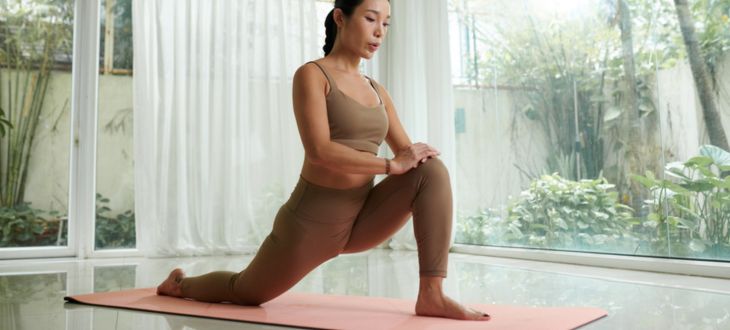
Tight hip flexors from prolonged sitting are a common contributor to discomfort. A gentle kneeling lunge stretch held for 30 seconds can help restore flexibility.
3. Piriformis Stretch
The piriformis muscle sits deep in the buttocks near the sciatic nerve. Stretching it by pulling a bent knee across the body can relieve pressure and reduce referred pain.
4. Glute and Core Strengthening
Weak glutes and core muscles force the hip joint to absorb more load than it should. Bridges and clamshell exercises help build the support structure around the joint.
5. Over-the-Counter NSAIDs
Ibuprofen and naproxen can reduce inflammation and pain during flare-ups. Always follow dosage guidance and check with a physician if you have other health conditions.
6. Weight Management
Every extra pound of body weight adds measurable stress to the hip joint during walking. Gradual, sustainable weight loss can meaningfully ease daily discomfort.
7. Low-Impact Exercise
Swimming and cycling let you stay active without pounding the joint. A 2023 systematic review and meta-analysis found that structured exercise therapy produced clinically meaningful improvements in pain and function for people with hip osteoarthritis.
8. Physical Therapy
A guided physical therapy program can correct movement patterns, build strength, and improve flexibility in ways home exercise alone often cannot.
9. Heat Therapy
Applying a heating pad for 15 to 20 minutes can relax tight muscles and improve circulation, particularly helpful for stiffness-related pain.
10. Supportive Footwear and Gait Correction
Worn-out or unsupportive shoes can throw off your gait and add strain to the hip. Shoes with proper arch support and cushioning help distribute impact more evenly.
11. Sleeping Position Adjustments
Side sleepers can reduce hip pressure by placing a pillow between the knees to keep the pelvis aligned overnight.
12. Assistive Devices
A cane or walking stick used on the opposite side of the affected hip can reduce joint load by a significant margin during flare-ups.
13. Aquatic Therapy
Water’s buoyancy reduces joint loading while still allowing resistance-based strengthening, making it an excellent option for those with significant pain.
14. Ergonomic Adjustments
Frequent breaks from prolonged sitting, along with a supportive chair, can prevent the hip flexor tightness that builds up during desk work.
15. Corticosteroid Injections
For persistent inflammation that doesn’t respond to conservative care, a physician-administered injection can provide targeted, temporary relief while other treatments take effect.
When to See an Orthopedic Specialist
Home remedies work well for minor, short-term discomfort, but certain symptoms call for professional evaluation:
- Persistent pain lasting more than a few weeks despite home treatment
- Limited range of motion or a locking, catching sensation in the joint
- Visible swelling or deformity around the hip
- Pain that disrupts sleep or makes weight-bearing difficult
- Numbness or tingling radiating down the leg
Learn more about the signs of a serious hip injury that warrant prompt care.
Specialist Spotlight: Focused Hip Care
At The Orthopedic Clinic, our team offers comprehensive, minimally invasive hip treatment options, including:
- Sports Medicine: For active patients managing overuse injuries, labral tears, or tendon strain.
- Total Joint Replacement: For advanced osteoarthritis when conservative treatment no longer provides relief.
- Physical Therapy: On-site rehabilitation to build strength and restore mobility.
If hip pain is keeping you from the activities you love, don’t wait for it to worsen.
Schedule your appointment online or call us at (386) 255-4596.