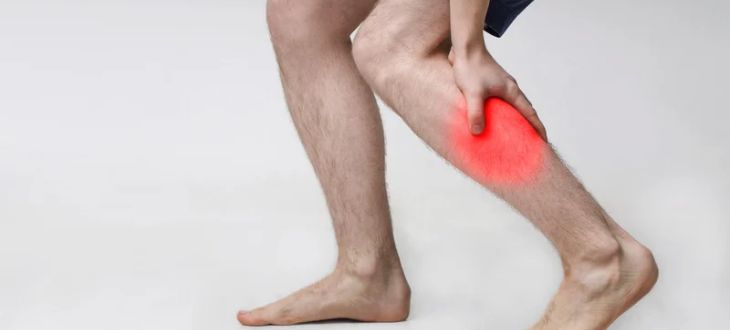
Leg pain is one of the most common reasons people visit an orthopedic clinic. Most of the time, it comes from something minor, like a tired muscle after a long day on your feet or a mild strain from exercise. But some leg pain is your body’s way of signaling a more serious problem that needs medical attention. Knowing when to worry about leg pain can help you get the right care before a small issue turns into a bigger one.
Common Causes of Leg Pain
Your legs contain bones, joints, muscles, tendons, nerves, and blood vessels, and a problem with any of them can cause pain. According to MedlinePlus, common causes of leg pain include:
- Muscle cramps and strains: Often linked to overuse, dehydration, or holding one position too long
- Injuries: Shin splints, tendinitis, sprains, and stress fractures
- Joint problems: Arthritis and gout in the hips, knees, and ankles
- Nerve problems: Sciatica from a herniated disc in the lower back, or nerve damage from diabetes
- Circulation problems: Peripheral artery disease, varicose veins, and blood clots
- Infections: Infections of the skin, soft tissue, or bone
For a deeper look at these conditions, see our guide to the types of leg pain.
When to Worry About Leg Pain
Mild aches that improve with rest, ice, and stretching usually aren’t cause for concern. However, the following signs mean it’s time to see a doctor.
1. Swelling, Warmth, or Redness in One Leg
Sudden swelling, tenderness, and red or warm skin in one leg can signal deep vein thrombosis (DVT), a blood clot in a deep vein. The Centers for Disease Control and Prevention notes that recent surgery, long periods of sitting, pregnancy, and certain hormone medications raise the risk. A clot can travel to the lungs, so seek emergency care if you also have chest pain or shortness of breath.
2. You Can’t Bear Weight on the Leg
If standing or walking is too painful after a fall, twist, or impact, you may have a fracture, severe sprain, or torn ligament. Our fracture care team can evaluate and treat bone injuries quickly.
3. A Visible Deformity or Popping Sound
A leg that looks bent or out of place, or a loud pop at the moment of injury, often points to a broken bone, dislocation, or tendon rupture. These injuries need prompt attention.
4. Pinpoint Pain That Worsens With Activity
Pain in one specific spot on a bone that gets worse with running or jumping may be a stress fracture. An MRI is often needed to confirm the diagnosis.
5. Pain When Walking That Eases With Rest
Cramping in the calves, thighs, or buttocks that starts with walking and goes away when you stop can be a sign of peripheral artery disease, which reduces blood flow to the legs. The National Heart, Lung, and Blood Institute notes that smoking, diabetes, high blood pressure, high cholesterol, and older age all raise the risk. Talk to your doctor if you notice this pattern.
6. Numbness, Tingling, or Weakness
Pain that shoots down the back of your leg, or comes with numbness, tingling, or weakness, may point to a pinched nerve in your lower back. Our spine specialists can find the source and recommend treatment.
7. A Cold, Pale, or Bluish Leg
A leg that suddenly feels cold or looks pale or blue may have a blocked artery. This is a medical emergency, so call 911 or go to the nearest emergency room.
8. Fever With Leg Pain
Leg pain alongside fever, chills, or red, hot skin can mean an infection in the skin, soft tissue, or bone. Infections can spread quickly and often need prompt treatment.
9. Knee Swelling, Locking, or Instability
A knee that swells, locks in place, or gives out when you put weight on it may have a torn meniscus or ligament. Our knee specialists treat these injuries with both surgical and non-surgical options.
10. Pain That Wakes You at Night
Leg pain that disturbs your sleep or persists even when you’re resting is not typical of a simple strain and should be checked by a doctor.
11. Pain That Doesn’t Improve With Home Care
If your leg pain hasn’t improved after a week or two of rest, ice, and over-the-counter pain relievers, or if it keeps returning, it’s time for a professional evaluation.
How an Orthopedic Specialist Can Help
At your visit, an orthopedic specialist will review your symptoms, examine your leg, and may order imaging to pinpoint the cause. Our on-site imaging services make it easier to get answers quickly. From there, treatment may include physical therapy, bracing, injections, or surgery when needed.
Don’t Ignore Your Leg Pain
Knowing when to worry about leg pain helps you act quickly when something serious is going on. If your leg pain is severe, sudden, or simply not getting better, our team is ready to help you get back on your feet.
Visit The Orthopedic Walk-In Clinic for same-day care, or schedule an appointment with one of our specialists for a comprehensive evaluation.