Muscle aches are something almost everyone deals with at some point. You might feel them the morning after a long day of yard work, a tough workout, or hours hunched over a desk. According to MedlinePlus, muscle pain is most often tied to tension, overuse, or injury from exercise or physically demanding work, though it can also come from whole-body conditions like the flu or fibromyalgia. The good news is that most everyday muscle soreness responds well to simple care at home. Below are 13 home remedies for muscle pain you can try, plus guidance on when it’s time to see an orthopedic specialist.
Common Causes of Muscle Pain
Knowing what’s behind your discomfort helps you pick the right remedy. The most frequent culprits include:
- Overuse, such as doing too much activity too soon or without warming up
- Muscle strains, which happen when fibers are overstretched or torn
- Delayed onset muscle soreness (DOMS), the stiff, achy feeling that peaks a day or two after unfamiliar exercise
- Tension and poor posture, especially in the neck, shoulders, and back
- Dehydration or low electrolytes, which can trigger cramps
If your pain is concentrated in your legs, our guide to the types of leg pain can help you narrow down the cause.
13 Home Remedies for Muscle Pain
1. Rest and Activity Modification
Giving a sore muscle a short break lets irritated tissue recover. Rest doesn’t mean staying in bed, though. Gentle movement like walking keeps blood flowing while you avoid the activity that caused the pain.
2. Ice Therapy
Cold works best for fresh injuries in the first 48 hours, when swelling is most likely. Apply a wrapped ice pack for 15 to 20 minutes at a time. Ice is part of the RICE method (rest, ice, compression, elevation), which the National Institute of Arthritis and Musculoskeletal and Skin Diseases recommends for mild sprains and strains.
3. Heat Therapy
Once swelling settles, heat helps relax tight muscles and boost circulation. A heating pad, warm towel, or warm shower for 15 to 20 minutes works well for stiffness and chronic aches. Always keep heat warm rather than hot to avoid burns.
4. Compression and Elevation
A snug (not tight) elastic wrap helps limit swelling after a strain, while propping the injured area above heart level helps fluid drain away. These two steps round out the RICE method and are especially helpful for calf, thigh, and forearm strains.
5. Gentle Stretching
Light, slow stretches restore flexibility and ease the tight, knotted feeling that comes with muscle soreness. Hold each stretch for 20 to 30 seconds and stop if you feel sharp pain. Stretching is most comfortable after a warm shower or light walk.
6. Foam Rolling
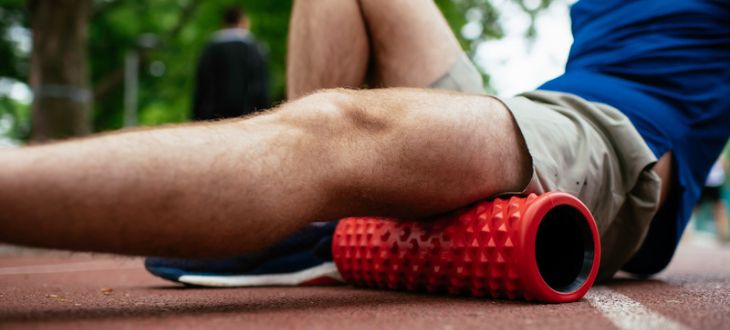
Foam rolling is a form of self-massage that applies steady pressure to tight muscles. A 2025 systematic review found that vibration foam rolling reduced delayed onset muscle soreness, raised pain thresholds, and lowered feelings of fatigue. Roll slowly over large muscle groups like the quads, hamstrings, and calves, and avoid rolling directly over a fresh injury.
7. Self-Massage
Using your hands or a massage ball to knead sore spots can loosen tight tissue and improve blood flow. Massage is particularly helpful for tension-related aches in the neck, shoulders, and lower back.
8. Cold Water Immersion
Soaking in cool water after hard exercise is a popular recovery strategy, and the evidence backs it up. A 2025 network meta-analysis on cold water immersion found that 10 to 15 minutes in water around 52 to 59 degrees Fahrenheit was among the most effective protocols for reducing muscle soreness. A cool bath at home can offer a gentler version of the same benefit. Check with your doctor first if you have heart or circulation concerns.
9. Epsom Salt Bath
A warm bath with Epsom salt is a classic remedy for achy muscles. While research on magnesium absorption through the skin is limited, the warm water alone helps muscles relax, and many people find the routine soothing after a long day.
10. Over-the-Counter Pain Relievers
Oral options like ibuprofen, naproxen, or acetaminophen can ease pain and inflammation for short-term use. Topical creams and gels target the sore area directly with fewer whole-body side effects. Follow label directions and check with your doctor if you take other medications.
11. Stay Hydrated and Replenish Electrolytes
Muscles need fluid and minerals like potassium, sodium, and magnesium to contract and relax properly. Drinking water throughout the day and eating foods like bananas, leafy greens, and yogurt can help prevent cramps and support recovery.
12. Anti-Inflammatory Foods
Foods rich in omega-3s, such as salmon and walnuts, along with tart cherries, berries, turmeric, and ginger, may help calm inflammation that contributes to soreness. Diet won’t fix an injury on its own, but it can support your body’s natural healing process.
13. Prioritize Quality Sleep
Your body does much of its muscle repair during deep sleep. Aiming for seven to nine hours a night, along with a supportive mattress and pillow, gives sore muscles the best chance to recover between active days.
When to See an Orthopedic Specialist
Home remedies for muscle pain work well for mild, everyday soreness, but some symptoms need a professional evaluation. Schedule a visit if:
- Pain lasts more than a few days despite home care, or keeps coming back
- You heard a pop at the time of injury, or the area is badly bruised or swollen
- You notice muscle weakness or can’t move or bear weight on the area
- Pain comes with fever, redness, warmth, or a rash
- Aches are widespread without a clear cause
Our sports medicine specialists diagnose and treat muscle strains, overuse injuries, and recurring pain. From there, our physical therapy team can build a personalized recovery plan, and our interventional pain management specialists offer advanced options for pain that won’t let up.
Find Lasting Relief for Muscle Pain
Muscle aches don’t have to keep you on the sidelines. Start with these home remedies for muscle pain, and if your symptoms persist or worsen, don’t wait to get expert care. The sooner the cause is identified, the sooner you can get back to moving comfortably.
Visit our Walk-In Clinics for same-day care, or schedule an appointment with one of our specialists for a comprehensive evaluation.